History / From the field notes001
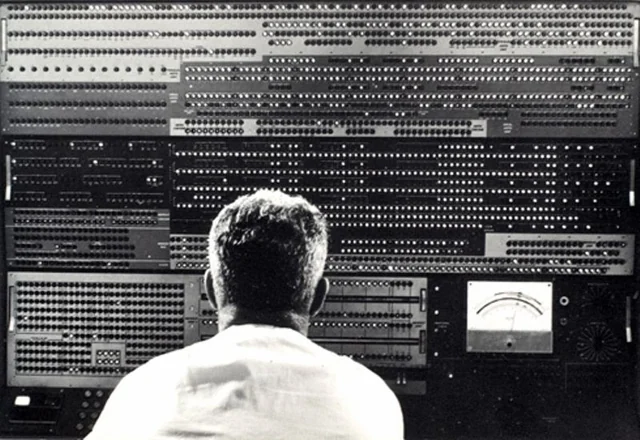
A museum record of Bell Labs' 1961 speech-synthesis demo shows what it proved, decades before voice-consent debates began.
Event: 1 January 1961
History / From the field notes002

WIPO's own treaty text gives performers moral and making-available rights, decades before synthetic voices existed.
Event: 20 December 1996
History / From the field notes003

The Copyright Office's own summary shows what the DMCA's safe harbors cover, and what they never say about AI.
Event: 28 October 1998
History / From the field notes004
law.justia.com17 December 1991
Grand Upright v. Warner Bros. shows a court granting an injunction and referring the case for prosecution.
Event: 17 December 1991
History / From the field notes005
law.justia.com3 June 2005
Bridgeport v. Dimension Films set a bright-line clearance rule that other circuits have not all adopted.
Event: 3 June 2005
History / From the field notes006
ascap.com1 January 1914
A Supreme Court opinion and ASCAP's own page describe why songwriters organized to collect performance royalties.
Event: 1 January 1914
History / From the field notes007
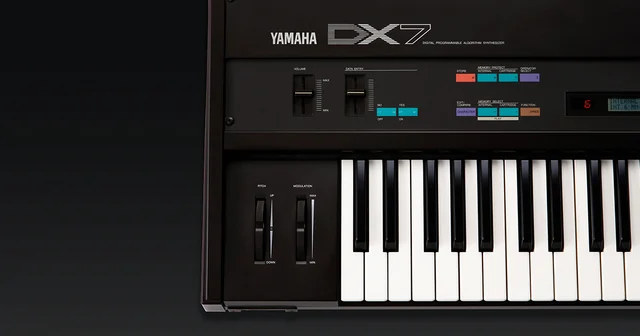
Yamaha's own design account shows how the DX7 declared a digital era through hardware, not an algorithm alone.
Event: 1 January 1983
History / From the field notes008

Fraunhofer and ISO's own records date mp3's standardization, naming and licensing history, and its audible trade-off.
Event: 12 August 1993
History / Field note009

Pandora's own pages describe musicologists tagging songs by hand, a method distinct from generative AI tools.
Method note
History / From the field notes010
A federal judge held MP3.com's full-album copying infringed, even though subscribers needed to own the CD.
Event: 28 April 2000
Tool releases / From the field notes011
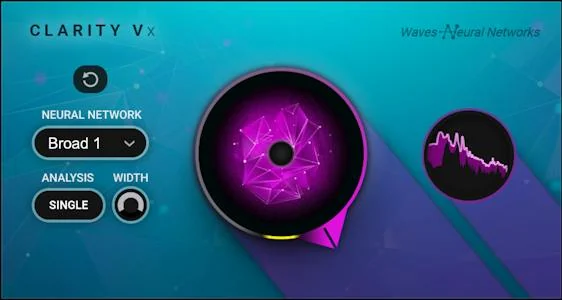
Waves' product page describes Clarity Vx as neural-network vocal noise removal, dated 7 March 2022, without addressing rights to the recording.
Event: 7 March 2022
Tool releases / Field note012
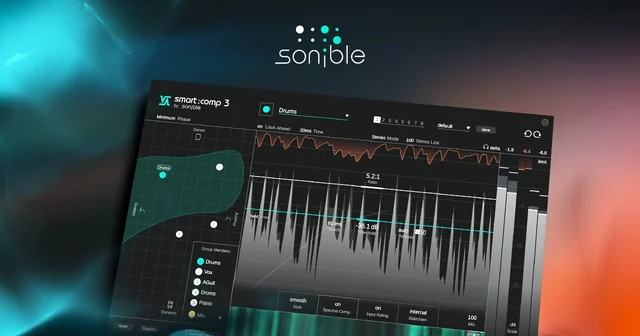
sonible's page frames smart:comp's AI analysis as generating a range of settings a user still auditions and edits by hand.
Field note
Tool releases / Field note013
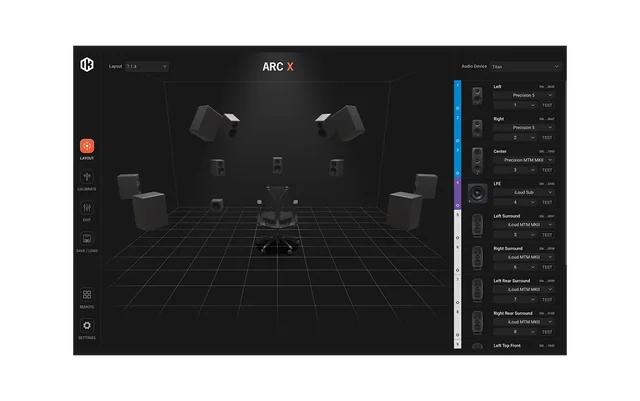
TONEX's page claims highly accurate amp captures but publishes no benchmark, and its terms put upload rights on the user.
Field note
Tool releases / Field note014
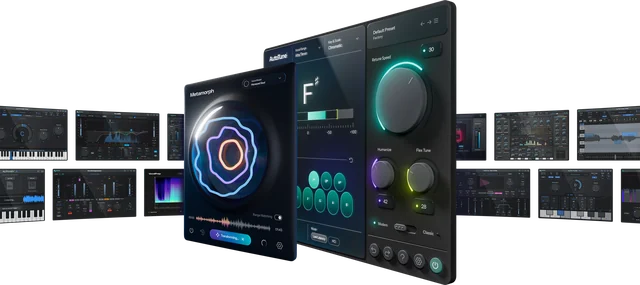
Antares' current page bundles AI-labelled vocal tools into a subscription and does not state what happens to sessions after a lapse.
Field note
Tool releases / Field note015
steinberg.netundated document
Steinberg's own new-features page for Cubase 15 lists AI-powered stem separation as a Pro-tier addition, undated on the page itself.
Field note
Tool releases / Field note016
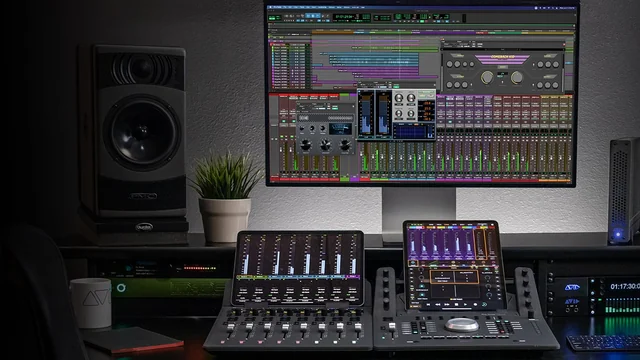
Avid's living what's-new page documents AI-labelled features like Speech-to-Text without branding Pro Tools around AI.
Field note
Tool releases / Field note017
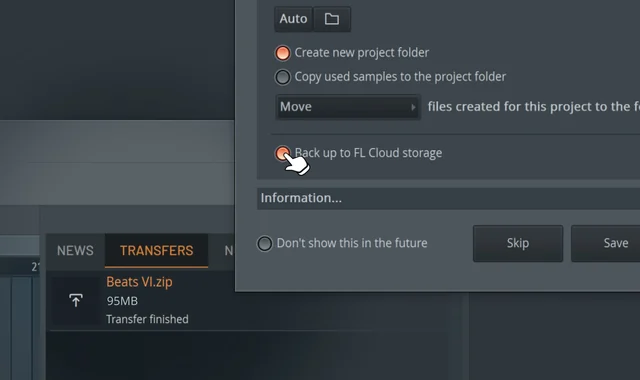
Image-Line's FL Studio 2026 page ties AI stem separation to paid editions and does not grant a licence to redistribute results.
Field note
Tool releases / From the field notes018

BandLab's help article states a user does not own SongStarter's generated track but can use it without fees or royalties.
Event: 1 January 2022
Tool releases / From the field notes019
Spotify's engineering blog documents Basic Pitch as an open-source, instrument-agnostic audio-to-MIDI model, released June 2022.
Event: 1 June 2022
Tool releases / Field note020

Arturia's product pages describe Augmented instruments as sampled performances blended with synthesis, not an AI system.
Field note
Tool releases / Field note021
Dreamtonics' own product page says every Synthesizer V voice is a licensed, consented recording, not a cloned or scraped one.
Product note
Tool releases / Field note022
acestudio.aiundated document
ACE Studio's own site labels its 160-plus AI voices royalty-free but does not spell out restrictions on the pricing page.
Product note
Tool releases / Field note023

Voicemod's terms condition its voice-creation tools on having the source speaker's consent, separate from its AI voice-actor library.
Product note
Tool releases / Field note024
Respeecher's own site frames a signed consent agreement with each voice donor as core to its voice-conversion service.
Product note
Tool releases / From the field notes025
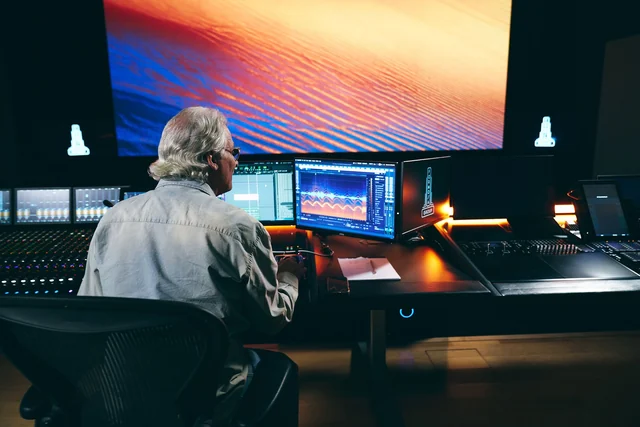
The companies' own 2021 releases describe a PE-backed alliance with unified leadership, not one firm buying the other outright.
Event: 11 March 2021
Tool releases / From the field notes026
blog.musiio.com3 May 2022
Musiio's own announcement says SoundCloud acquired its AI tagging and search technology to improve discovery, not payouts.
Event: 3 May 2022
Tool releases / From the field notes027
investor.shutterstock.com11 November 2020
Shutterstock's 2020 release says it acquired certain Amper Music assets for search, discovery, and editing tools, price undisclosed.
Event: 11 November 2020
Tool releases / Field note028
web.archive.org1 February 2022
Reuters reported Meta was close to buying Accusonus in 2022, but Accusonus's own site never named an acquirer before sunsetting ERA.
February 2022 report
Tool releases / Field note029
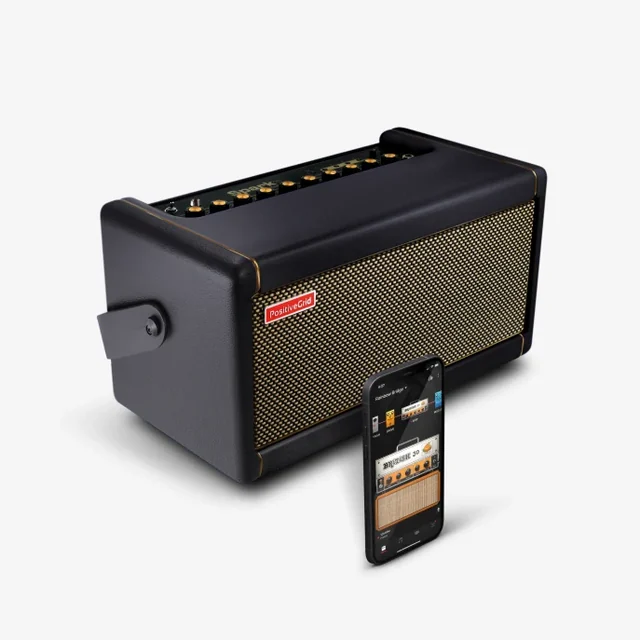
Positive Grid's Spark amp pages describe Smart Jam as a real-time practice tool, without addressing rights to the generated backing.
Product note
Stems & sound design / Field note030

RX 12's Music Rebalance and Dialogue Isolate estimate mix elements for restoration, and iZotope frames the result as an editing aid, not a recovered multitrack.
Field note
Stems & sound design / Field note031
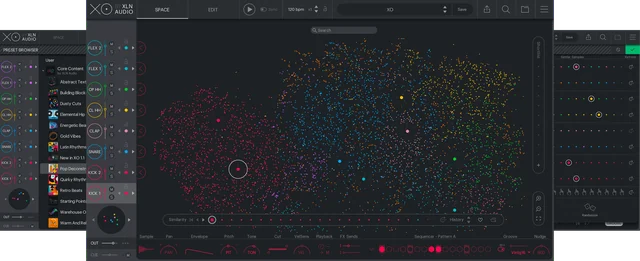
XO clusters a producer's one-shots by sonic similarity, but XLN Audio's terms leave any imported sample's rights with the customer.
Field note
Stems & sound design / From the field notes032
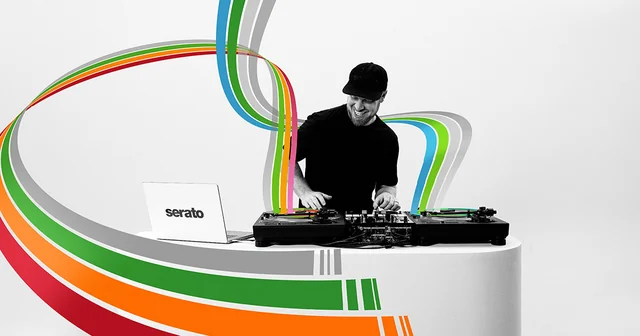
In 2022 Serato added real-time vocal, melody, bass, and drum isolation to DJ Pro, without changing rights in the recording being separated.
Event: 1 January 2022
Stems & sound design / From the field notes033
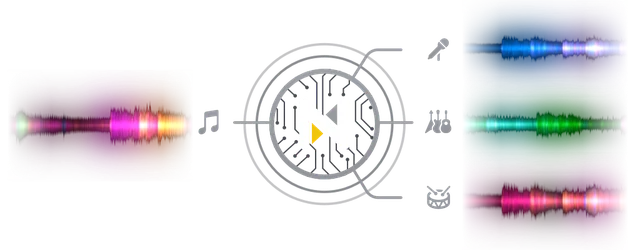
In 2020, djay's Neural Mix paired Algoriddim's real-time engine with AudioShake's separation technology, running on-device via Apple's chip.
Event: 1 January 2020
Stems & sound design / Field note034

AudioShake's own site frames stem separation as a licensed B2B service for labels, publishers, and platforms, not a direct-to-consumer tool.
Field note
Stems & sound design / Field note035
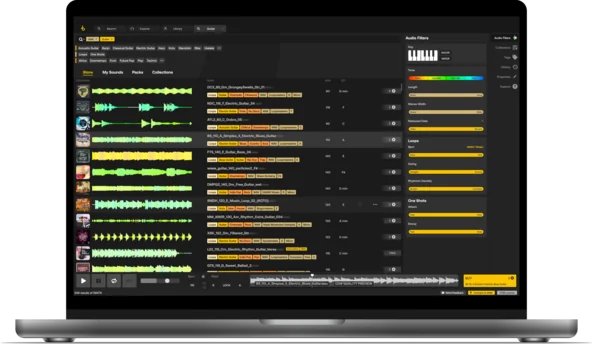
Loopcloud's Jamahook-powered similarity search surfaces matching samples, and Loopmasters' 2019 licence lets them join a composition but bars standalone reuse.
Field note
Stems & sound design / Field note036
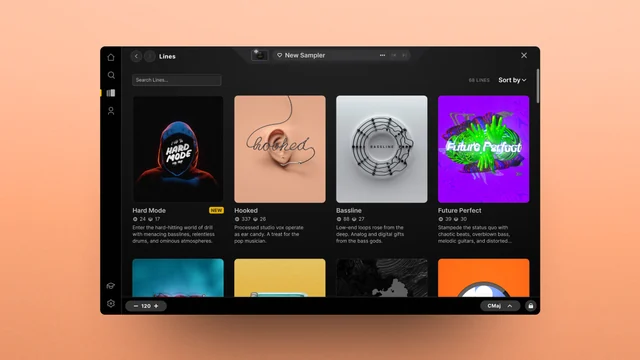
Output's FAQ states a track made in Arcade while subscribed stays royalty-free after cancellation, while the sound library itself stays licensed, not owned.
Field note
Stems & sound design / Field note037
samples.landr.comundated document
LANDR's terms grant a perpetual licence to a downloaded Sample once incorporated into a Recording, a separate product from its mastering service.
Field note
Stems & sound design / From the field notes038
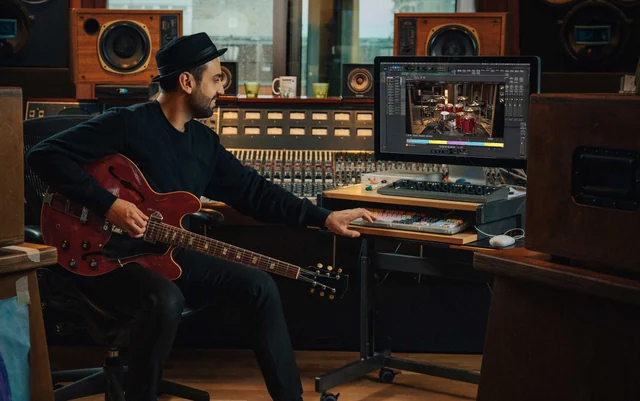
EZdrummer 3's Tap2Find searches a MIDI library for the closest match to a tapped rhythm, and Toontrack's EULA treats the result as licensed library content.
Event: 1 January 2022
Stems & sound design / Field note039
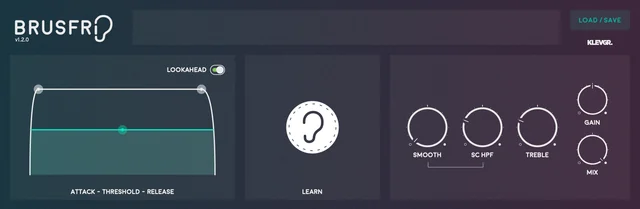
Brusfri is a single-purpose machine-learning noise reducer for field recordings, and Klevgrand's terms confirm a user's own finished project stays releasable.
Field note
Rights & licensing / From the field notes040

CISAC's July 2023 statement asks governments to require licensing, credit and transparency for AI systems trained on members' works.
Event: 1 July 2023
Rights & licensing / From the field notes041
PRS for Music's principles say authorisation must stay with rightsholders and AI content must be labelled as such.
Event: 29 January 2024
Rights & licensing / From the field notes042

GESAC, of which SACEM is a member, asked EU legislators for AI record-keeping and transparency it called necessary for trustworthy AI.
Event: 20 October 2023
Rights & licensing / From the field notes043
ascap.com13 June 2023
ASCAP's own AI resource sets six principles and says fully AI-generated works cannot be registered with the society today.
Event: 13 June 2023
Rights & licensing / Field note044
bmi.comundated document
BMI's AI guidance defines four categories of AI involvement in a song and says only two remain eligible for registration and pay.
Field note
Rights & licensing / From the field notes045
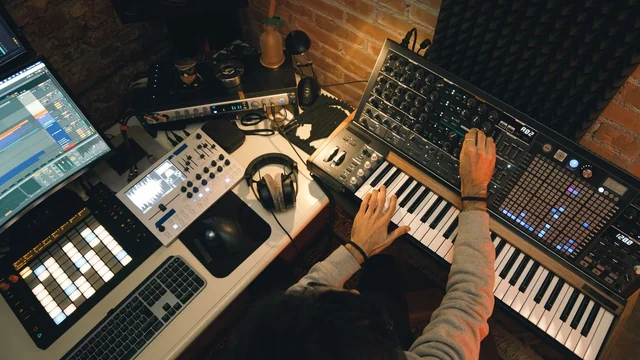
Sweden's STIM launched a collective AI licence covering only consenting members' works, ahead of any EU-wide AI music rule.
Event: 8 September 2025
Rights & licensing / From the field notes046

The Recording Academy's 2023 rule update says only human creators can be nominated, even when a submission uses AI content.
Event: 17 June 2023
Rights & licensing / From the field notes047
The UK's Ivors Academy campaigns for AI consent and transparency, and gives songwriters a template letter refusing AI training use.
Event: 18 March 2026
Rights & licensing / From the field notes048
A coalition including the Featured Artists Coalition sets three non-negotiables for AI music deals: consent, control and pay.
Event: 6 November 2025
Rights & licensing / From the field notes049

NMPA's 2023 Copyright Office submission argues AI training on song catalogues fails every fair-use factor and needs a licence.
Event: 30 October 2023
Rights & licensing / From the field notes050

Warner's announcement shows KLAY signed distinct deals with WMG, UMG and Sony entities, not one shared industry licence.
Event: 20 November 2025
Rights & licensing / From the field notes051

YouTube's own posts show named artists opted into specific AI experiments individually, not into a blanket catalogue licence.
Event: 1 January 2023
Rights & licensing / From the field notes052
afm.org30 October 2023
AFM's own 2023 statements argue replacement remuneration cannot substitute for musicians' jobs disappearing to AI.
Event: 4 October 2023
Rights & licensing / Field note053

Rightsify's own pages show Hydra's consumer generator was discontinued in 2024, replaced by the Gramosynth training-data pipeline.
Living document
Rights & licensing / Field note054
sonymusic.comundated document
SME's own opt-out terms and Senate testimony state a licensing-first policy but do not describe any specific AI agreement's scope.
Living document
Rights & licensing / Field note055
UMG's own 2024 and 2026 announcements restate the same responsible-AI, human-artistry and shared-value language for two different partners.
Living document
Rights & licensing / Field note056

Tracklib's own pages state a cleared sample requires registering the release on its Licenses page, not just holding a subscription.
Living document
Rights & licensing / From the field notes057
web.archive.org17 March 2023
SAG-AFTRA's own statements require union bargaining and consent before a performer's voice can be used in AI simulation.
Event: 17 March 2023
Rights & licensing / From the field notes058
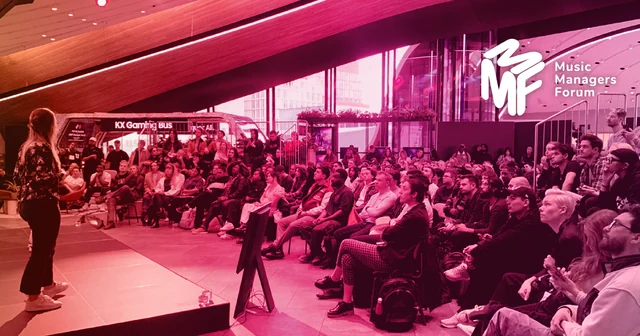
MMF's own materials describe an advisory guide and template letter for managers, not a settled industry AI contract standard.
Event: 13 September 2023
Distribution & platforms / From the field notes059
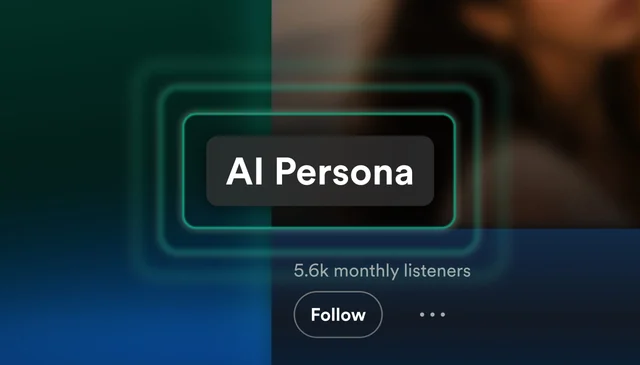
Spotify's newsroom post explains what its AI Persona badge covers, how it is applied, and what it leaves undecided.
Event: 11 August 2026
Distribution & platforms / From the field notes060

Beatport's published stance rejects wholly or substantially AI-made music while permitting assistive AI processing.
Event: 11 August 2026
Distribution & platforms / Field note061

Apple's artist support pages cover metadata and distributor choice but do not mention AI-made or AI-assisted music.
Field note
Distribution & platforms / From the field notes062
newsroom.tiktok.com19 September 2023
TikTok's synthetic media policy and its 2023 tool require creators to disclose realistic AI-made audio, not just video.
Event: 19 September 2023
Distribution & platforms / Field note063
support.distrokid.comundated document
DistroKid's own article sets four upload conditions and warns stores can still reject an accepted release.
Field note
Distribution & platforms / Field note064
soundcloud.comundated document
SoundCloud's terms state uploads will not train voice- or music-replicating AI models without an affirmative opt-in.
Field note
Distribution & platforms / From the field notes065
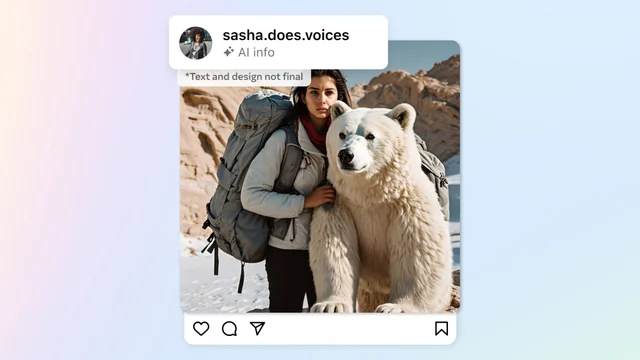
Meta detects AI images automatically but asks users to disclose realistic AI-made audio and video themselves.
Event: 6 February 2024
Distribution & platforms / Field note066

Amazon's general terms restrict feeding catalogue content into AI, but no artist-facing AI-upload policy was found.
Field note
Distribution & platforms / Field note067
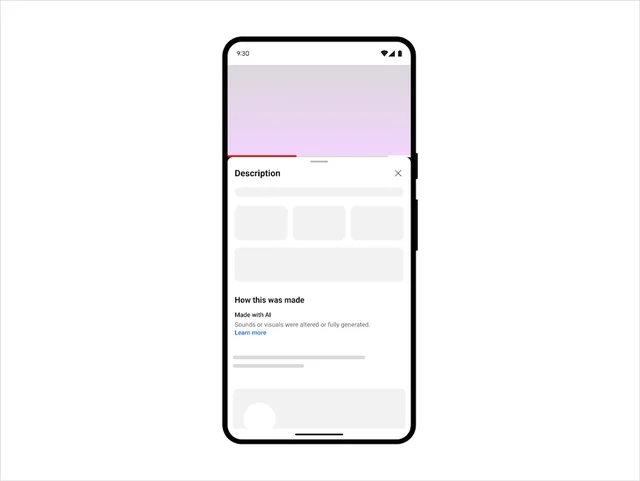
YouTube's altered-content toggle covers AI music explicitly and can lead to a label, removal, or suspension.
Field note
Distribution & platforms / Field note068

One CD Baby help page bars AI-generated content outright while a Downtown Music policy allows some licensed AI use.
Field note
Evidence & research / From the field notes069
doi.org15 January 2025
A peer-reviewed cross-over experiment found identical piano performances rated less likeable and expressive when attributed to an AI.
Event: 15 January 2025
Evidence & research / From the field notes070
web.archive.org8 January 2025
An unreviewed SSRN paper reports listeners called AI-labelled music less expressive, though equally enjoyable, than identical human-labelled audio.
Event: 8 January 2025
Evidence & research / From the field notes071

A Frontiers in Education study of 600 Chinese music students found AI features rated useful yet unable to replace human teaching.
Event: 10 October 2025
Evidence & research / From the field notes072
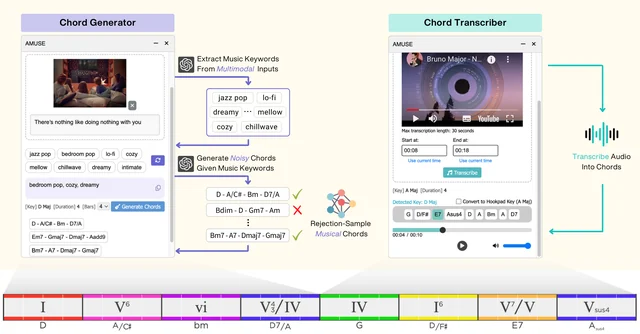
A CHI 2025 study of the Amuse songwriting assistant found ten songwriters felt more guided and no less creative with AI-suggested chords.
Event: 25 December 2024
Evidence & research / From the field notes073
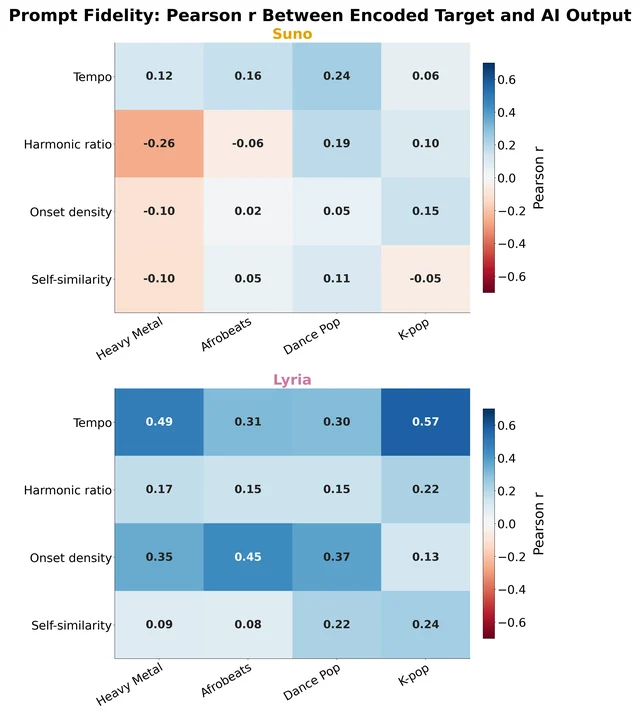
An unreviewed 2026 preprint reports Suno collapses genre distinctions while Lyria 3 narrows diversity within a genre.
Event: 6 August 2026
Evidence & research / From the field notes074
link.springer.com12 February 2025
An AI & Society ethnography of Melbourne music technologists found many prize mistakes and uncertainty that generative tools are designed to avoid.
Event: 12 February 2025
Evidence & research / From the field notes075

Deezer's newsroom reports 97% of an eight-market survey could not tell AI-generated music from human-made tracks in a listening test.
Event: 12 November 2025
Evidence & research / Field note076
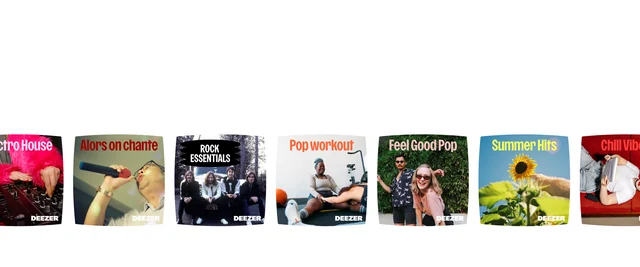
Deezer's own reporting describes a patent-pending detector that flagged 13.4 million AI-generated tracks in 2025 by artifacts in the audio.
Living document
Evidence & research / Field note077

Essentia, maintained by Universitat Pompeu Fabra's Music Technology Group, is dual-licensed audio-analysis software used across MIR research.
Living document
Evidence & research / Field note078
The Free Music Archive dataset packages over 100,000 Creative-Commons-licensed tracks as a rights-cleared alternative to scraped training audio.
Living document
Workflow & stack / Field note079
Waves, iZotope, and Native Instruments define commercial use and AI training differently in their own licence text.
Method note
Workflow & stack / Field note080

Waves, Antares, and iZotope's own terms show what each licence model does when payment or verification stops.
Method note
Workflow & stack / Field note081

SOUNDRAW, Loudly, and LANDR each define commercial use differently across their own licence pages.
Method note
Workflow & stack / Field note082

Algoriddim's Neural Mix is marketed as on-device, but its privacy policy does not extend that promise to audio.
Method note
Workflow & stack / Field note083

Waves, Antares, and Celemony each govern one stage of a vocal chain under separate, differently dated terms.
Method note
Workflow & stack / Field note084
landr.comundated document
LANDR, Output, and Loopcloud each forbid standalone reuse of their sounds, but differ on what survives cancellation.
Method note
Workflow & stack / Field note085
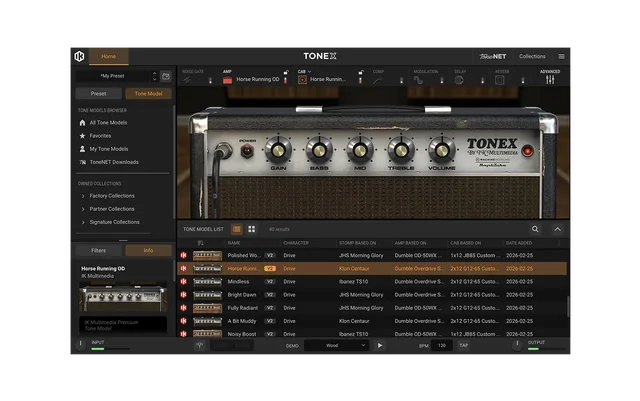
IK Multimedia, sonible, and XLN Audio's own terms show what a plugin's paperwork does and does not say about AI.
Method note
Workflow & stack / Field note086
landr.com10 April 2025
LANDR names a specific AI-training purpose and a 24-month account clock; Image-Line states only a general principle.
Method note
Workflow & stack / From the field notes087
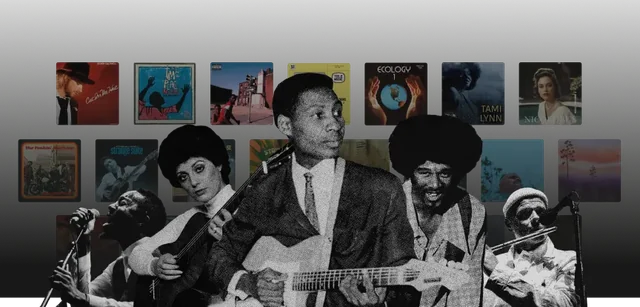
Tracklib licenses a known recording; AIVA's tiered terms assign copyright the Copyright Office has not resolved.
Event: 21 February 2023
Workflow & stack / Field note088
Spotify names -14 LUFS directly; LANDR and eMastered treat that number as a reference, not a rule.
Method note
Workflow & stack / Field note089
Serato, AudioShake, and iZotope describe their stem separators for different audiences, and only one names a rights caveat outright.
Field note
Workflow & stack / Field note090
sonible.comundated document
sonible, LANDR, and eMastered price their AI-assisted tools as a one-time purchase, a subscription, and a flat per-plan fee.
Field note
Workflow & stack / Field note091
support.distrokid.comundated document
DistroKid's own upload rules and the Copyright Office's disclosure guidance both reward a producer who already knows which tool touched what.
Field note
Workflow & stack / Field note092

The Copyright Office's disclosure duty and Fairly Trained's certified-models list both give a producer language for asking a collaborator what was used.
Field note
Workflow & stack / Field note093
github.comundated document
MusicGen's own weights carry a noncommercial licence, while Google's Gemini API bills per song and treats free and paid use differently.
Field note
Workflow & stack / Field note094
MusicGen and Google's Lyria 3.5 both publish model cards naming training data and limits; many commercial plugins publish neither.
Field note
Workflow & stack / Field note095
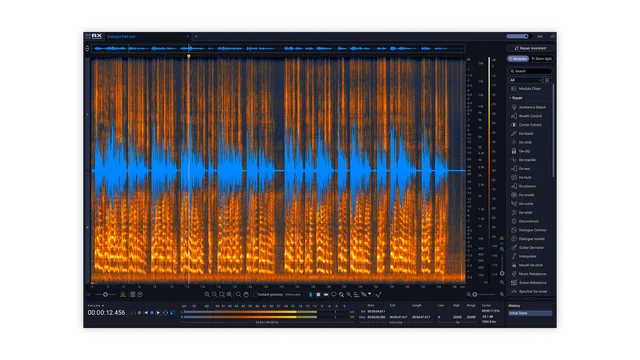
The Copyright Office's disclosure duty and iZotope's restoration workflow both assume a producer can still find the paperwork years later.
Field note
Workflow & stack / Field note096

Stability AI's licence page and Meta's MusicGen model card describe their models' data very differently, and a producer weighs how much that matters.
Field note
Workflow & stack / Field note097
Native Instruments' and Avid's own published terms show how differently vendors address licence type and AI training on their content.
Field note
Workflow & stack / Field note098
support.distrokid.comundated document
DistroKid conditions uploads on rights ownership while TuneCore conditions them on whether a GenAI tool's training data was licensed.
Field note
Tool releases / Field note099
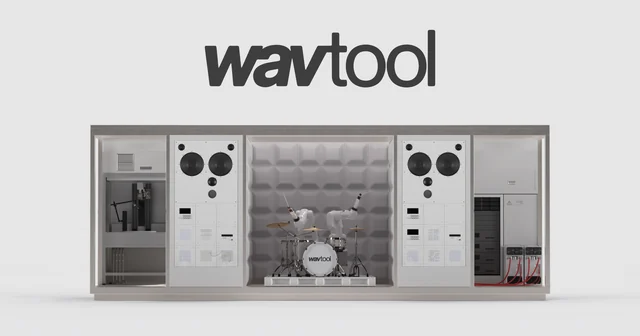
WavTool's browser DAW marketed generated audio as unlicensed and royalty-free before the whole product went offline in 2026.
Product note
Rights & licensing / Field note100
support.cdbaby.comundated document
Downtown's 2025 content rules bar unlicensed and mimicking AI content, while CD Baby's older FAQ excludes AI content outright.
Living document