The audio task
A label or artist building a catalogue that includes some AI-assisted tracks eventually faces a buyer, a platform, or a rights question about a specific release from years earlier. Answering it well depends on whether the stems, the licence documents for any tools or samples used, and a note of which tool version was in force at the time were archived together, rather than scattered across old hard drives and expired subscriptions.
What the documents show
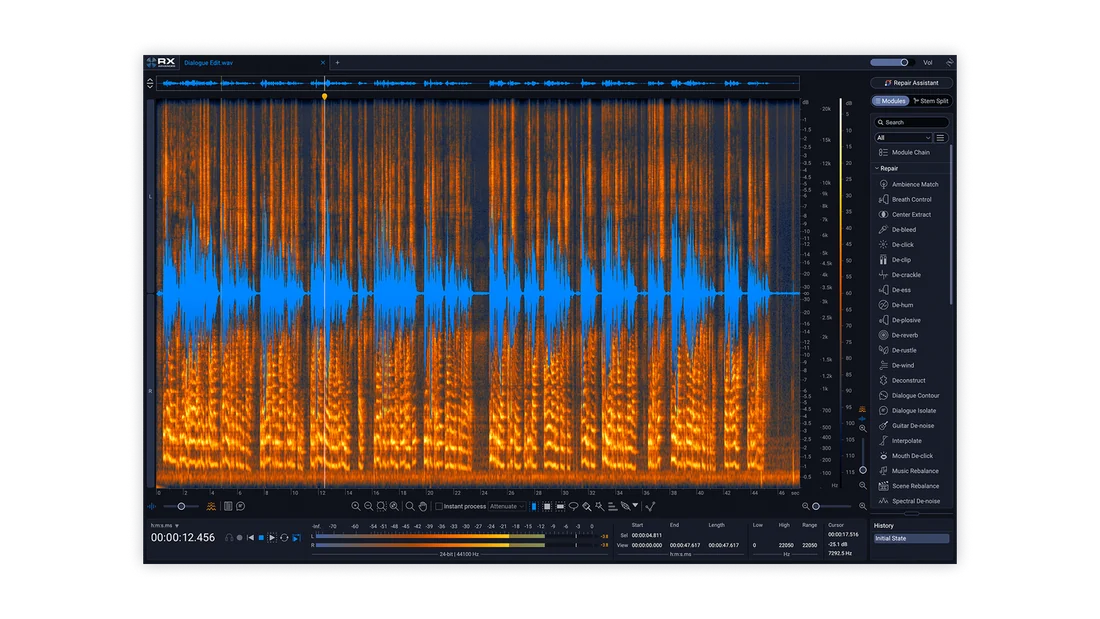
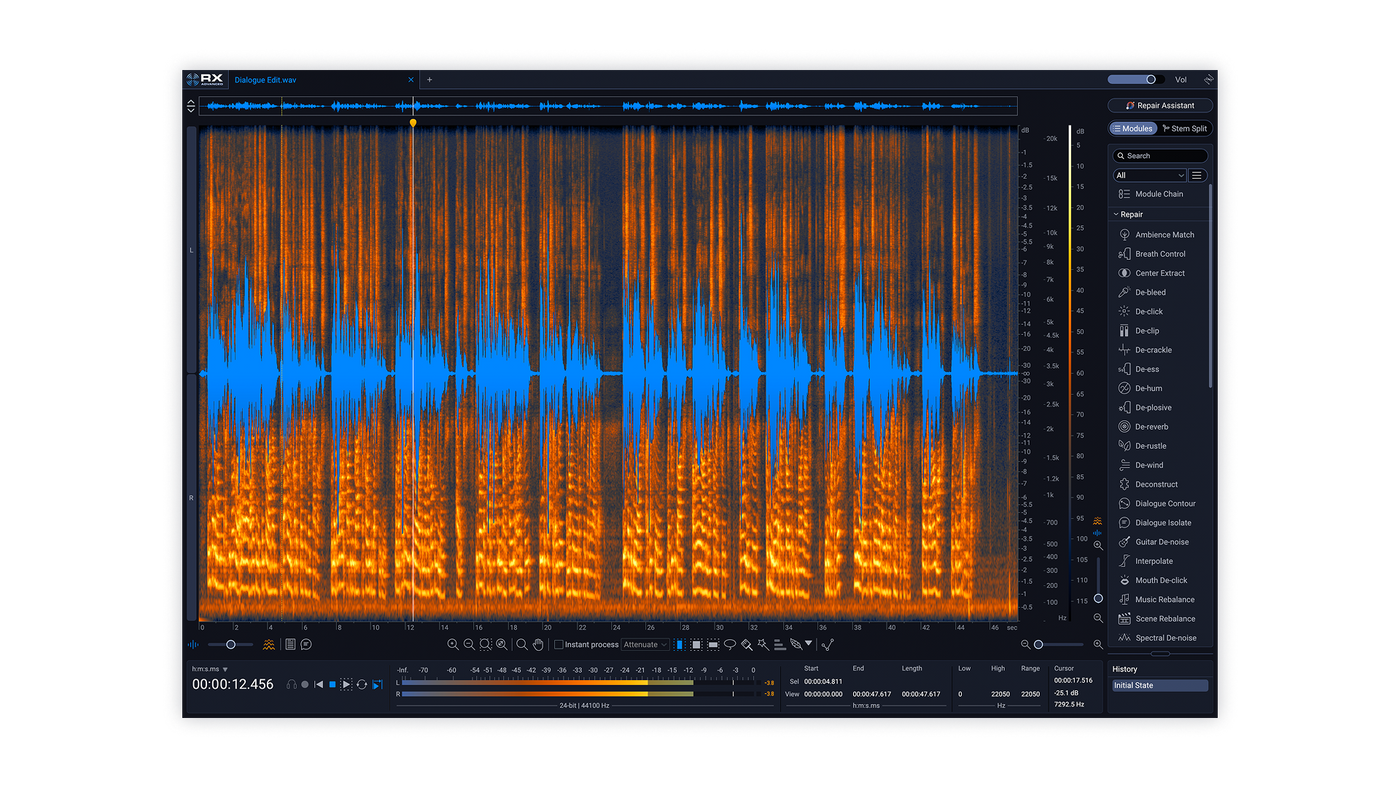
The U.S. Copyright Office's statement of policy requires an applicant to disclose AI-generated material in a registration and describe the human contribution, and separately allows a supplementary registration to correct an earlier filing that omitted this. That means a catalogue owner may need to revisit a years-old registration, which is far easier with an archived record of what was used than by trying to recall it. iZotope's RX 12 Advanced page describes its restoration and stem-adjustment modules as part of a repair or post-production workflow; the page does not address archival practice, but the tool's outputs, and any settings or versions used, are exactly the kind of production detail a later registration correction or licensing question would need.
Rights status
Neither source states a specific retention period or archival standard as a legal requirement; the Copyright Office's guidance addresses disclosure at the time of registration and correction after the fact, not record-keeping generally. This note does not assert that any jurisdiction mandates a specific archive format or duration; a producer should confirm retention obligations, if any apply, with their own counsel or the relevant registration authority.
What to check before you use it
This is an editorial method record, not a claim about any specific archival standard being required. Archive, per track, the final stems, any AI tool or sample licence documents, the tool name and version used, and the date, stored together rather than split across a session's temporary files and a separate folder of receipts. Revisit that archive whenever a registration, a sync request, or a buyer's due diligence raises a question about a specific track's production.
- If this track were flagged for a registration correction today, could the archive answer what was AI-generated?
- Are the licence documents for any AI tools used stored with the audio, or only in an email that may be deleted?
- Does the archive record which version of a tool was used, given that a vendor's terms can change between releases?
An archive is only useful if it survives longer than the subscription, the hard drive, or the memory of who did what; building it alongside the release, not after a question arrives, is the cheaper time to do it.
Sources & reading trail
The Copyright Office's statement of policy requires disclosure of AI-generated material and allows a supplementary registration to correct an earlier omission.
Source published: 16 March 2023 · Retrieved: 16 September 2026
iZotope's own product page describes RX 12's restoration and stem-adjustment modules as part of a post-production workflow worth archiving alongside licence records.
Source published: Not established · Retrieved: 16 September 2026
Documentation, licences and platform policies establish the note; the what-to-check reading is Music Tech Field Notes editorial analysis. This retrospective draft does not imply the site published on the event date.