The audio task
A producer with a reference sound in mind, a particular bass texture, a drum hit with the right amount of grit, wants to find something close inside a library of millions of samples without scrolling through folders by genre or label. Manual tagging only goes so far when the goal is a sonic match rather than a keyword match.
What the documents show
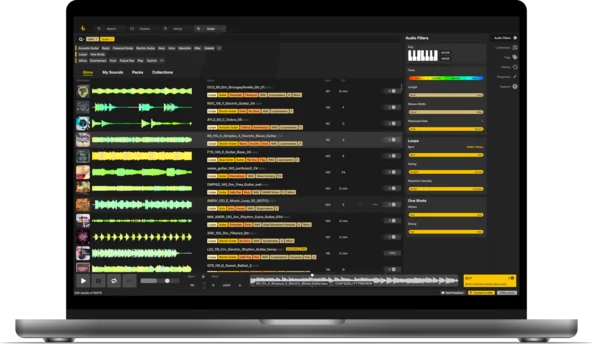
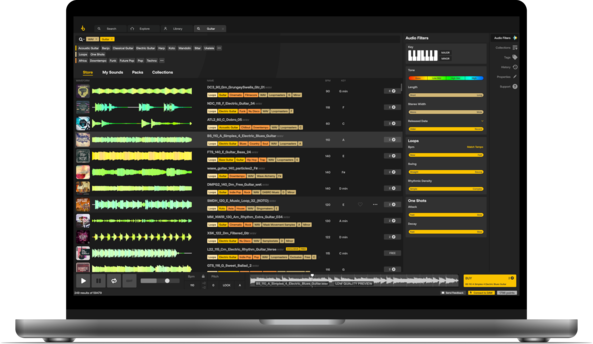
Loopmasters' own Loopcloud features page states that the platform lets a user 'browse your own sounds and preview over 4 million Loopmasters samples' and search 'by instrument, genre, label, key, bpm and more,' adding that 'Loopcloud's AI search technology (courtesy of Jamahook) and intelligent tagging will instantly pinpoint the sounds you want.' That sentence names Jamahook as the licensed third-party technology behind the similarity search, layered on top of conventional metadata filters rather than replacing them. Loopcloud's Terms of Service, last updated 27 March 2019, set out a separate licence for what it calls 'Sounds': the licensee may use them 'in combination with other sounds in music productions' including soundtracks, broadcast, games, and other musical compositions, and may modify them for commercial purposes as part of a composition. The same clause states the licensee 'MAY NOT use the Sounds in isolation as sound effects or as loops' and forbids resale, relicensing, or other distribution of the sounds, whether unmodified or altered.
Rights status
The licence is explicit rather than implied: commercial use is permitted only once a sound is combined into a larger composition, and standalone reuse or redistribution of a downloaded sound, matched by the AI search or found by browsing, is excluded. The rights document is dated 2019 and presented as a living page; nothing in the features page changes what the 2019 licence text permits. This reflects both pages as retrieved on 16 September 2026.
What to check before you use it
This is an editorial checklist. Before relying on the AI search for a commercial release, confirm the Terms of Service version active on the account's own agreement date, since the reviewed text is dated 2019 and Loopmasters could have posted updates since. Confirm any sound pulled up by similarity search is being used inside a full composition rather than as a standalone loop or hit, per the isolation restriction. Keep a record of which Loopcloud plan or credit tier a sound was downloaded under, since access terms can differ across subscription levels.
- Is the Terms of Service text being relied on the version in effect when the sound was downloaded?
- Is the matched sound being combined into a composition, or used on a stand-alone basis the licence excludes?
- Does the licence tier under which the sound was accessed match how it is being used commercially?
Loopcloud's AI layer answers a discovery problem, surfacing a sound that matches a reference faster than folder browsing, while the licence governing what happens after that sound is downloaded has not changed: combination is permitted, isolation and resale are not.
Sources & reading trail
Loopcloud's own features page names Jamahook as the licensed AI search technology behind its sonic-similarity sound search, layered on conventional metadata filters.
Source published: Not established · Retrieved: 16 September 2026
Loopcloud's terms, last updated 27 March 2019, set the Sounds licence: commercial use allowed only combined into a composition, standalone or resold use excluded.
Source published: 27 March 2019 · Retrieved: 16 September 2026
Documentation, licences and platform policies establish the note; the what-to-check reading is Music Tech Field Notes editorial analysis. This retrospective draft does not imply the site published on the event date.