The audio task
A producer who has collected years of one-shot drum samples, whether bought, recorded, or pulled from old projects, usually ends up with the same problem: thousands of files spread across folders and drives with names like 'kick_final2.wav.' The task is finding the right sound fast during a session, not generating a new one.
What the documents show
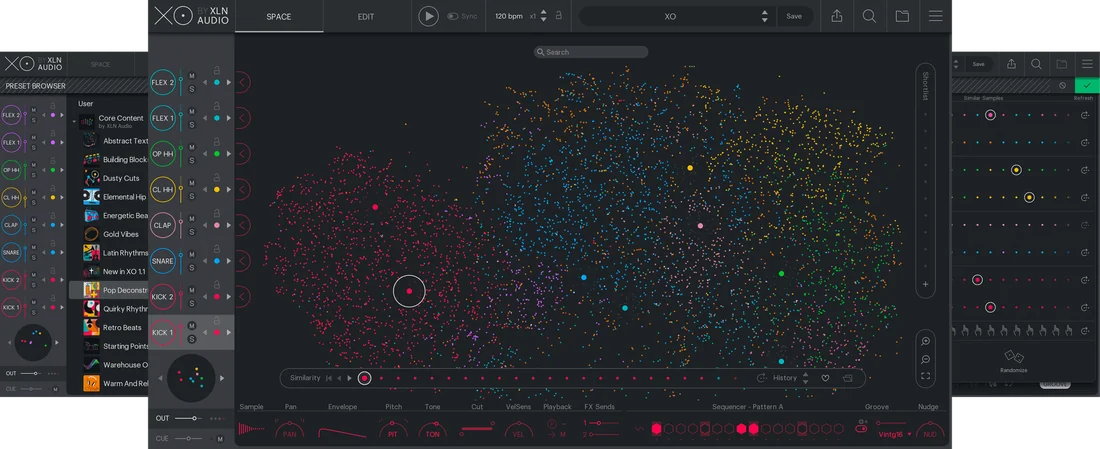
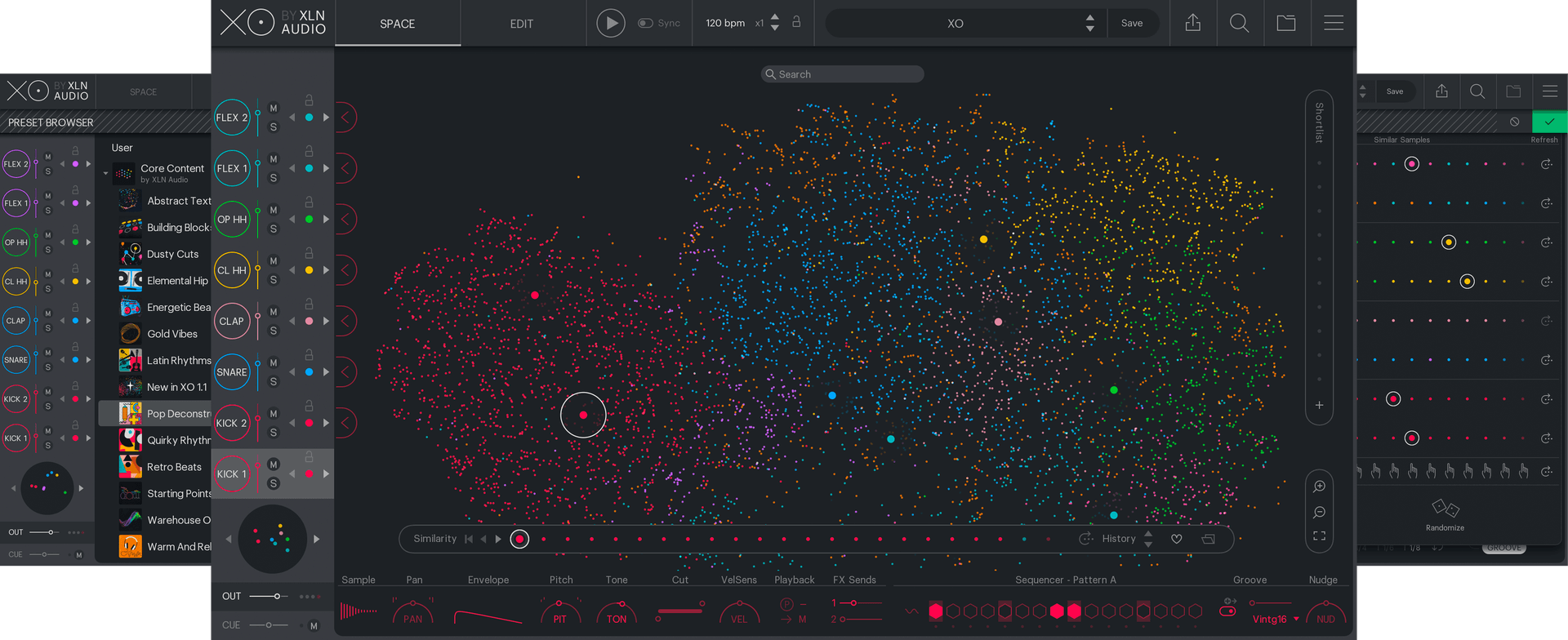
XLN Audio's own XO product page states that the plugin 'visually organizes your one-shot libraries by sonic similarity, removing tedious administrative tasks and endless folder diving,' working across samples 'regardless of where and how they are stored.' The page describes swapping samples with a single click, filtering results, and exporting a finished pattern 'as stems or the whole beat, audio or MIDI.' It does not explain the clustering method beyond calling it machine learning, and it makes no claim about recognizing or clearing the source of any sample a user loads in.
Rights status
XLN Audio's Terms & Conditions, updated 26 January 2026, cover the software licence and the bundled Content Library, granting a perpetual, non-exclusive licence to use them to create music, while forbidding the customer from compiling or reselling a public sample, loop, or preset library built from that content. Separately, the customer-obligations section states the customer 'is legally responsible for any material included in the Created Music Work, including any samples created by the Customer when using the Software,' and must indemnify XLN Audio against third-party infringement claims. Nothing in either document says XO screens, licenses, or clears an imported sample; organizing a file inside XO does not change who owns it.
What to check before you use it
This is an editorial checklist, not legal advice. Before feeding a mixed personal and found-sample library into XO, know the origin and licence status of each source folder, since sorting by sonic similarity will not flag an uncleared sample. If exporting a kit or pattern for sale or sharing, check paragraph 7(4)(b) of the terms, which bars reselling or compiling a library from XLN content. If a studio's procurement policy screens for AI-training use of submitted audio, note that the terms also restrict using the software or its content to train other AI models.
- Where did each sample in this library originally come from, and is that documented anywhere?
- Does the terms and conditions version reviewed match the one active on the date of use?
- Will the exported pattern be shared or resold in a form the licence's anti-library clause would restrict?
XO is a search-and-recall tool for a producer's own sounds, and the distinction that matters is between organizing samples and clearing them: XLN Audio's terms keep responsibility for any imported sample's rights with the customer, whatever XO's similarity search surfaces.
Sources & reading trail
XLN Audio's own product page describes XO's sonic-similarity organization of one-shot libraries and its stem or MIDI export, without addressing sample rights.
Source published: Not established · Retrieved: 16 September 2026
XLN Audio's terms state the customer is legally responsible for any material in a Created Music Work, including customer-supplied samples, and bar compiling a resold sample library from licensed content.
Source published: 26 January 2026 · Retrieved: 16 September 2026
Documentation, licences and platform policies establish the note; the what-to-check reading is Music Tech Field Notes editorial analysis. This retrospective draft does not imply the site published on the event date.